House committee passes bill creating ‘northern corridor’ through tortoise reserve
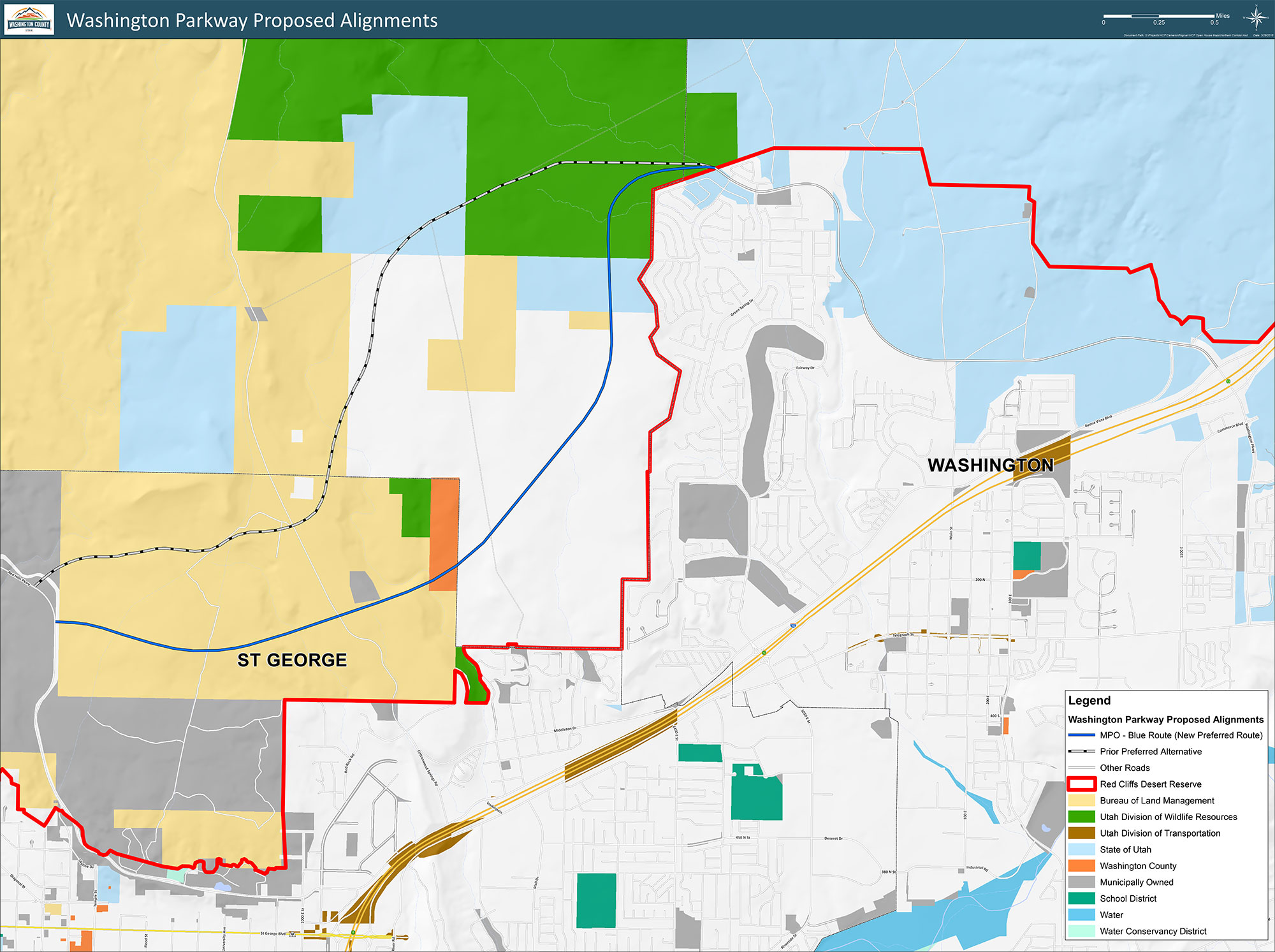
ST. GEORGE – A bill sponsored by Utah Republican Rep. Chris Stewart that would expand desert tortoise habitat in Washington County to offset the highly sought after and contested “northern corridor” passed a congressional committee Wednesday.
In a 21-14 vote, House Resolution 5597, titled “The Desert Tortoise Habitat Conservation Plan Expansion Act,” was passed by the House Natural Resources Committee.
“Thank you to Chairman Bishop and the Natural Resources Committee for passing this bill to help Washington County,” Stewart said in a statement. “This legislation provides a long awaited, and much needed, norther corridor transportation route while adding further protection for the desert tortoise. We are now one step closer to providing for the needs of one of the fastest growing areas in the nation.”
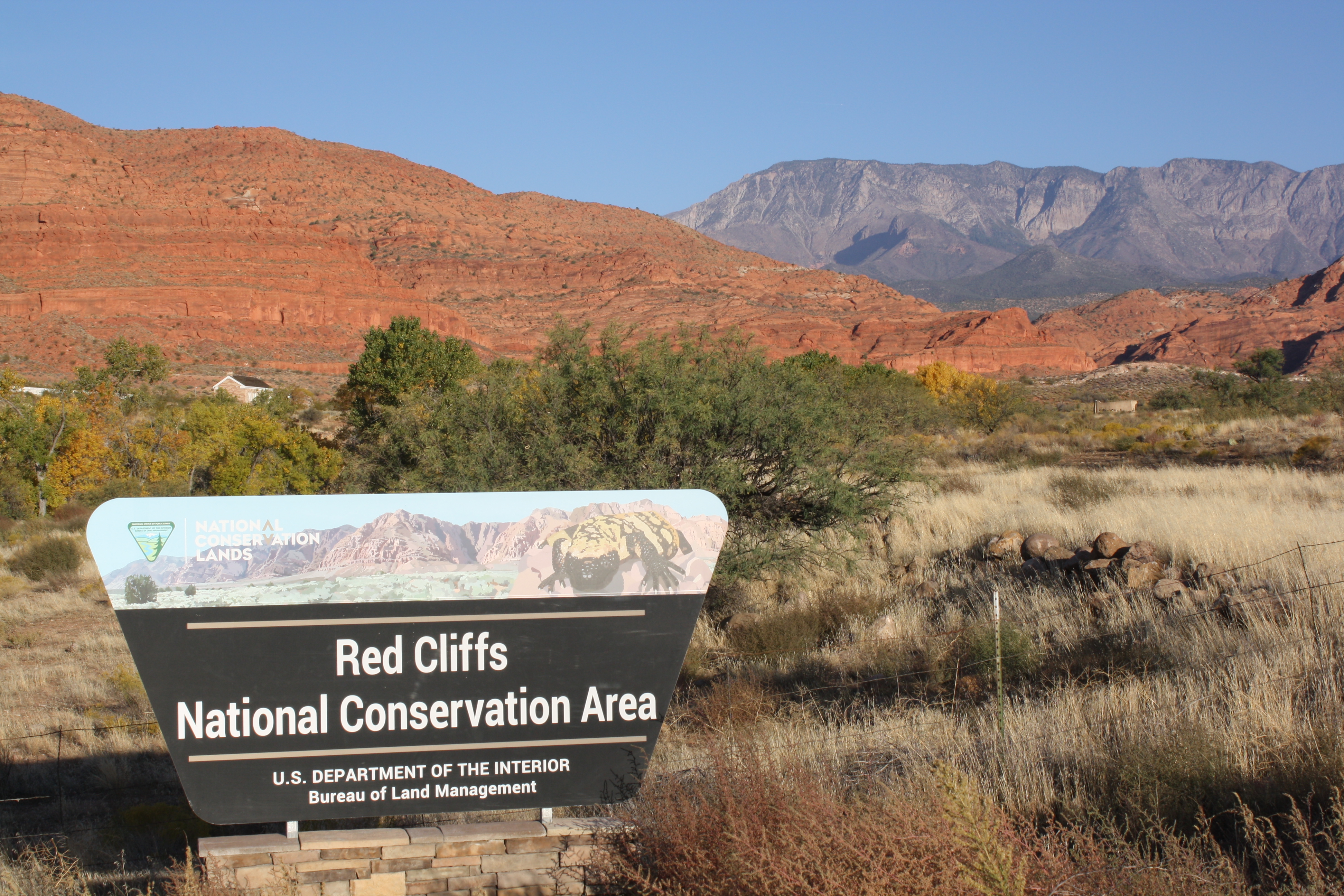
The bill would add over 6,800 acres of land west of Bloomington to the 62,000-acre Mohave desert tortoise reserve that also makes up the Red Cliffs Desert Reserve.
The additional acreage would offset the impact the northern corridor would have on approximately 147 acres of desert tortoise habitat as it cuts through the reserve.
Read more: Of transportation and tortoises: Stewart’s northern corridor bill heard in congressional committee
The bill also would allow for continuing utility development along the course of the highway, as well as maintaining grazing lands in the Beaver Dam National Conservation Area.
The 300-foot wide, four-lane roadway will run for 4.3 miles, connecting to an extension of Washington Parkway in Washington City on its east end and to Red Hills Parkway in St. George on its west end.
The road is considered vital to Washington County’s future transportation infrastructure, especially as the county continues to grow. The county was recently ranked as having the fastest growing metro area in the United States.
The northern corridor has been in the county’s plans for years, so arguments for and against it aren’t new.
County and municipal officials claim Congress promised the county a right of way for the roadway in omnibus legislation that passed in 2009. Rep. Rob Bishop, R-Utah, chairman of the House Resources Committee, reinforced that claim during the committee meeting Wednesday.
“You’re adding almost 7,000 acres of habitat in exchange for 147 acres that goes across the edge of the current habitat so there can be a road that was supposed to be there in the first place,” Bishop said. “That was in the deal back in 2009.”
Read more: Stewart introduces bill to expand tortoise habitat, establish northern corridor route
Because the road would cut through land set aside for the protection of the threatened desert tortoise, federal wildlife and lands officials have been reluctant to approve it. They have rejected routes proposed by county road planners because they were not compatible with federal environmental protection policy.
Stewart’s bill would finally push a designated route through.
Opponents of the bill argue that it would derail years of collaborative work between local, state and federal entities involved in creating the tortoise reserve, as well as sidestep federal protections via congressional fiat.
They also claim state and county road planners aren’t considering viable transportation alternatives to the northern corridor, which they say would damage prime desert tortoise habitat.
“I recognize that Washington County needs to meet the transportation needs of its rapidly expanding population and that new infrastructure will have to be built in order to do so,” Rep. Alan Lowenthal, D-Calif., said during the committee hearing. “But that doesn’t mean we should write new rules or ignore established protocols for bedrock conservation laws like the Endangered Species Act and (the National Environmental Policy Act).”
Email: mkessler@stgnews.com
Twitter: @MoriKessler
Copyright St. George News, SaintGeorgeUtah.com LLC, 2018, all rights reserved.