Utah law enforcement responds to signing of bill banning police quotas
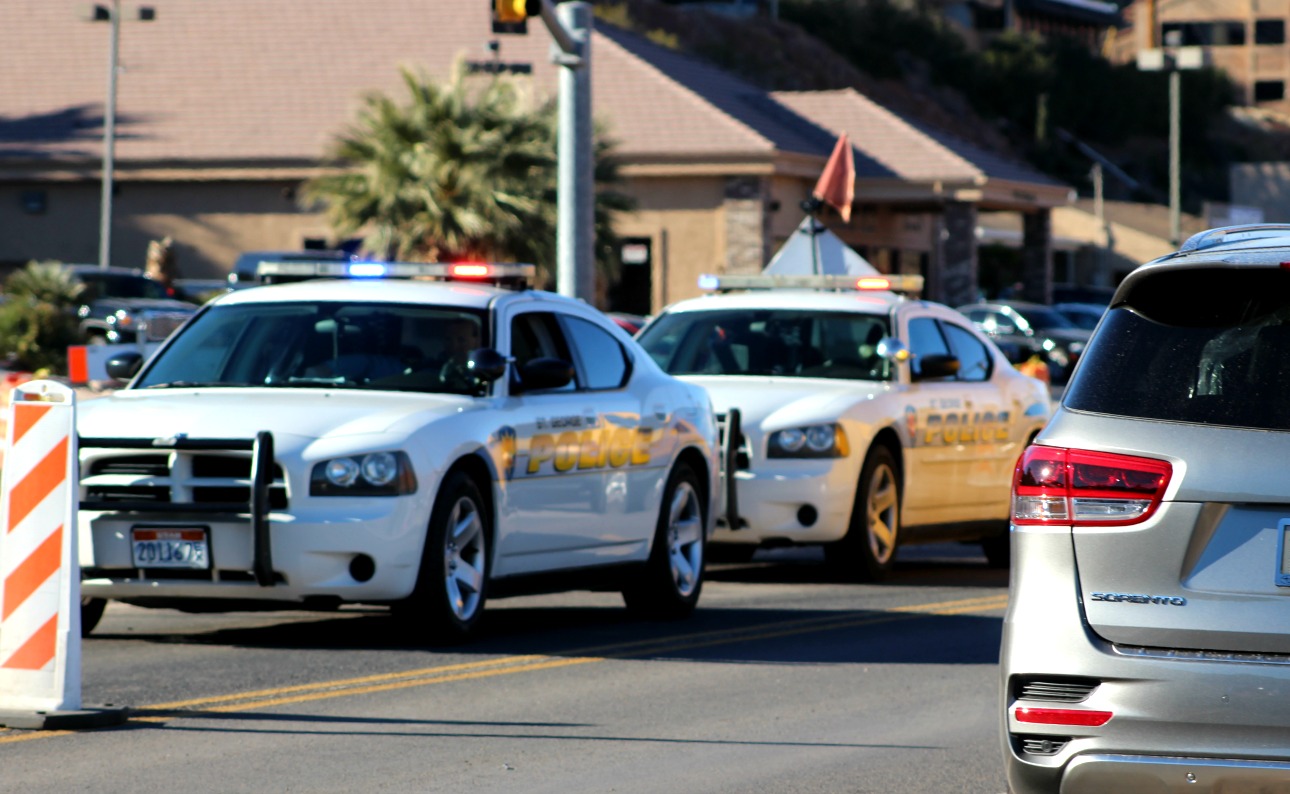
The new law prohibits departments from specifically penalizing or placing sanctions upon an officer for failing to meet a predetermined number of arrests or tickets. Efforts to promote, compensate, reward or discipline an officer on the basis of a quota are also forbidden.
Advocates for the rule refer to tying an officer’s ticket-writing activity to his or her performance evaluation as the “dirty little secret” of some police forces and the practice turns officers into revenue-generating machines.
Under the new law, officers’ “point of contacts,” which include the number of traffic stops completed, arrests and written warnings, can still be used for performance evaluations.
Sen. Howard Stephenson, R-Draper, the sponsor of SB154, said he had been contacted by former police officers who said they were pressured to meet arrest and ticketing quotas by their supervisors, calling the practice “unethical.”
Stephenson later amended the bill to protect the rights of officers to collect useful data.
The bill garnered the support of the House, including all of Southern Utah’s representatives. Sens. Don Ipson and David Hinkins voted against it.

“I think (traffic) stops ought to be encouraged,” Ipson said on the Senate floor. “If there’s a problem area, such as a high concentration of crashes, the bill would prevent police chiefs from targeting that area with quotas to cut down on accidents and save lives.
“We have no business telling them how to run their police department.”
Sen. Jacob Anderegg, R-Lehi, disagreed. “I think that stops for stops sake is not what this is about. I think that the real issue that we’re talking about here is money. That’s the real issue.”
He said that too many cities rely on revenue generated from traffic stops.
Anderegg added that for anyone who has “ever experienced what is, in reality, an unjustified stop for money, it’s a problem. I think in a free society we have to have well-regulated law enforcement.”
St. George Police officer Lona Tombley said that a common perception – and one officers hear often – is that citations are issued solely to generate revenue necessary to run the city or department.
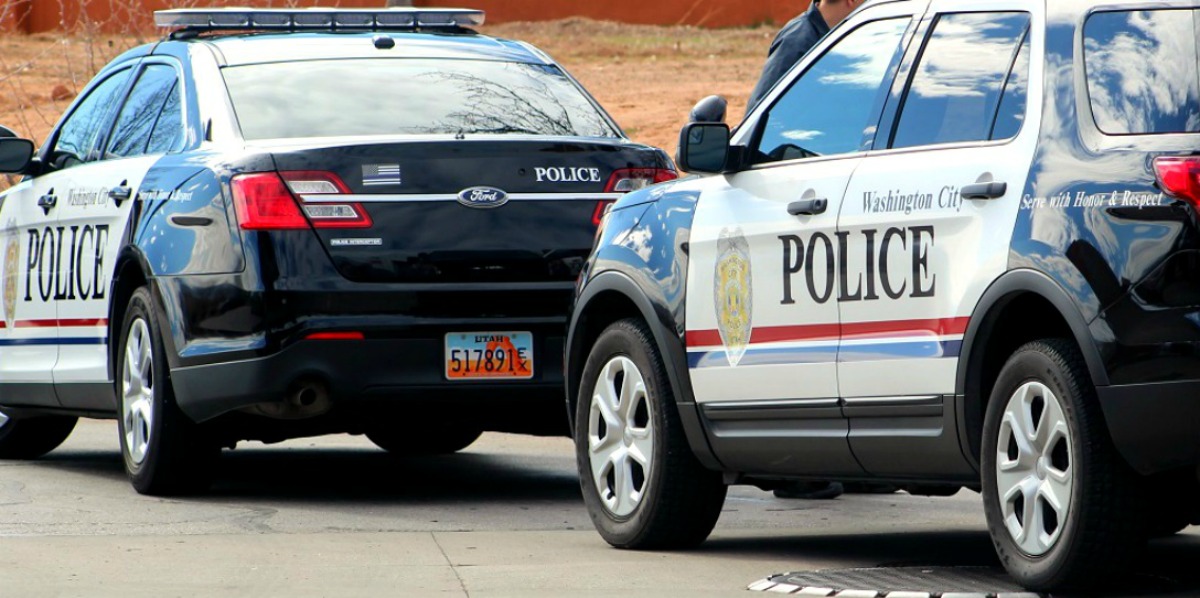
“Another thing officers hear when issuing citations is that they must be low on their quota this month, which isn’t accurate,” Trombley said. “I’ve been on the department for more than 12 years, and in my entire career as a police officer I’ve never had a quota.”
Craig Harding, a retired St. George Police sergeant and traffic supervisor, agreed, adding that there are two separate issues when it comes to police quotas.
The first is for a department to issue a requirement that officers must meet to avoid some type of penalty, while the other relates to using numbers to analyze an officer’s performance.
Addressing the first issue, Harding said that the St. George Police Department didn’t implement a quota system for one simple reason – it doesn’t work.
Harding made it clear he was not speaking on behalf of the department and was only giving his own insight based on his 34 years of experience with the department.
“We never had a mandatory quota, nor would they ever institute a mandatory quota because it would be the wrong thing to do,” he said.
He went on to say that any time a department sets a quota for its officers, the overall productivity level decreases, using a police department in Nevada as an example.
To address the issue of productivity concerning a small group of officers who were not performing as well as others, the department implemented a quota system for the entire department, hoping that it would bring overall numbers up, he said.
Instead, the numbers went down. Supervisors found that higher producing officers’ numbers fell because they only had to issue a certain number of citations to meet the standards, while a majority of the lower-producing officers never met the quota.
The second part of the issue relates to the role the numbers play in evaluating an officer’s performance, and whether the assessment is based solely on the number of citations, arrests, etc., or if the data are used in combination with other aspects of the officer’s overall conduct, Harding said.
“At the end of the day, the week and the month, we have to look at the numbers to see how active the officer is, including the number of calls, citations, warnings and so on – that’s how we are able to gauge activity,” Harding said.
Trombley agreed, adding that an officer should be productive while they are on the clock “and should be actively working for the police department and the city.”
“Proactive policing includes citizen contact, whether citations are issued or not, or whether it’s handing out popsicles during the middle of the summer to children at the splash pad – just to show that we are out and about in our community,” Trombley said.
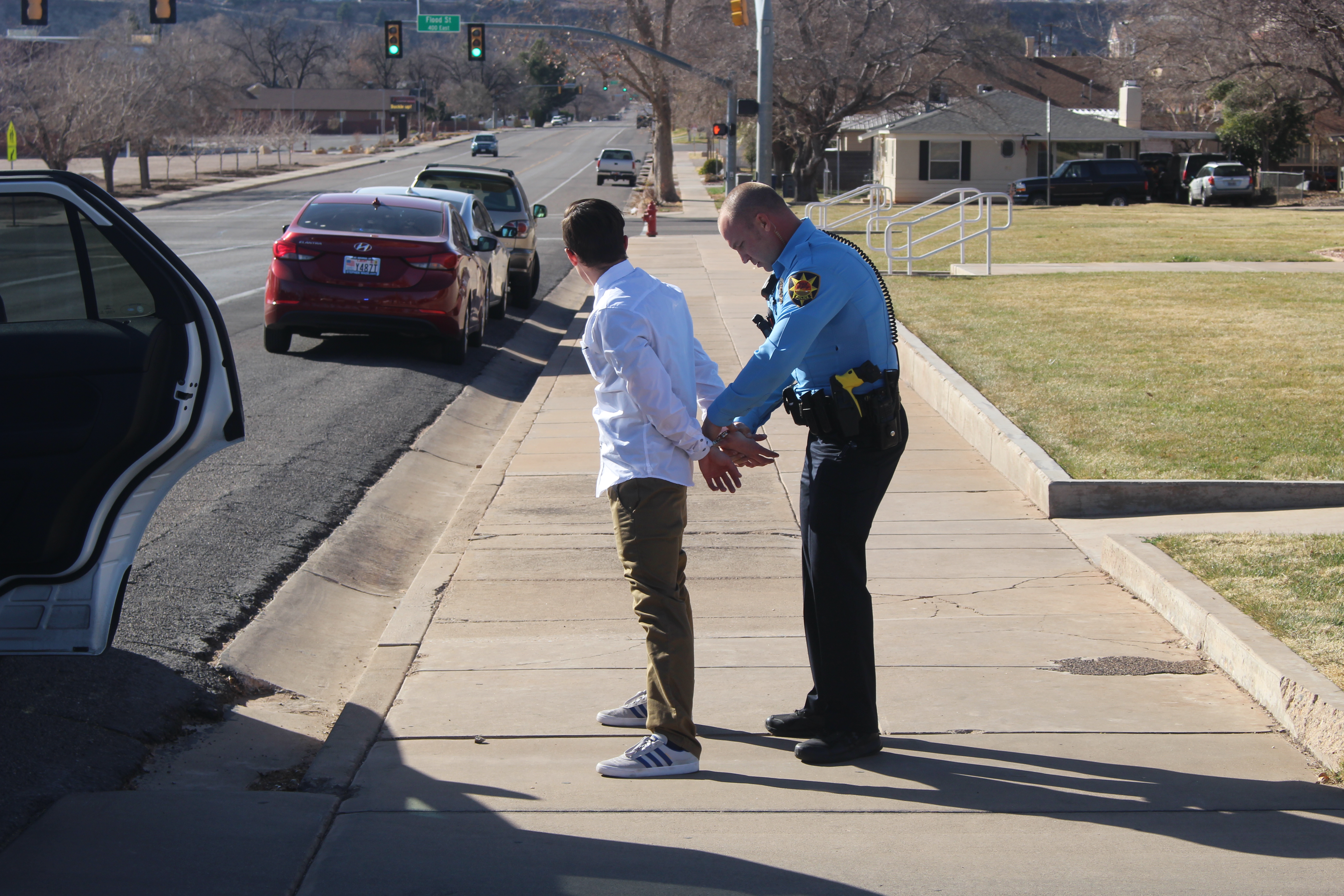
That presence helps deter crime, which is the whole goal of proactive policing, she said.
That was echoed by Harding who explained that one of the primary functions of a traffic officer is to improve road safety and reduce the number of crashes, which is accomplished by patrolling areas where crashes occur and writing citations or warnings for a variety of “unsafe driving behaviors.”
“Traffic cops do this primarily during traffic stops, but that doesn’t mean all the stops result in a citation, but includes written warnings and other interactions that help to educate the public on safe driving.”
Those numbers are used in conjunction with other determining factors and are only part of a bigger picture, Harding said.
“As long as he is out there and interacting with the public, the numbers don’t matter. And if some sergeant has to come in and implement a quota, he is not monitoring his people on a daily basis, but waiting until the end of the month to see what’s going on with his officers.”
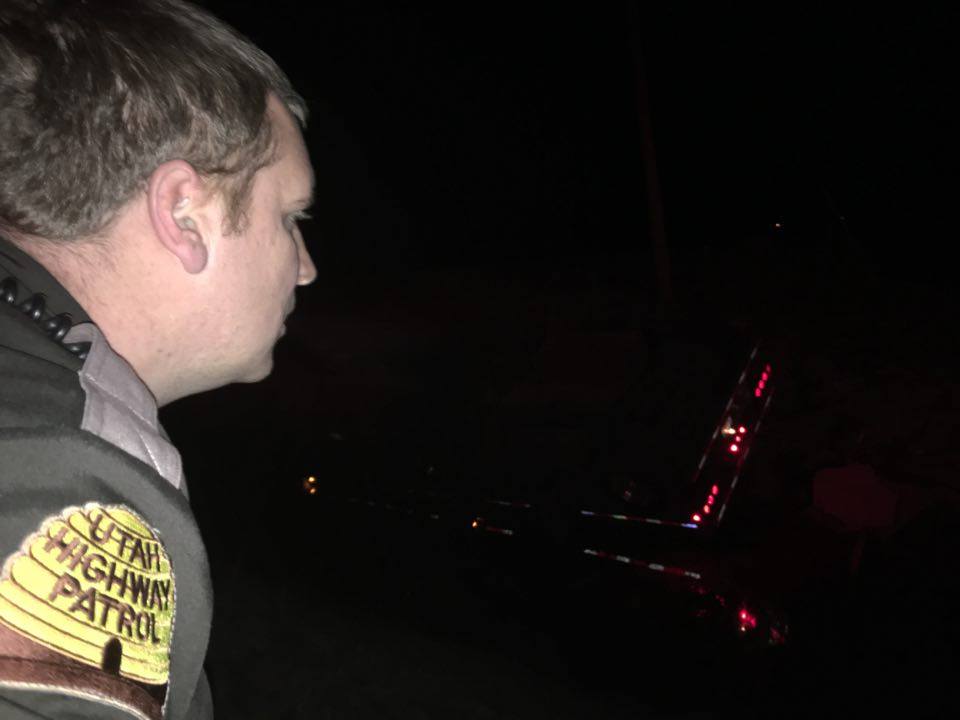
Scott Smith, a retired Utah Highway Patrol trooper, observed similar results when UHP implemented “performance standards” – which he said “is really a quota.”
Smith began his career as a trooper in 1978 and the performance standards were implemented about 10 years after he started. Supervisors went from working out in the field with the troopers and observing their interactions with the public, to using the number of citations and arrests as a primary factor in evaluating a trooper’s performance.
“Those performance standards are a way for a sergeant to not do his job,” Smith said.
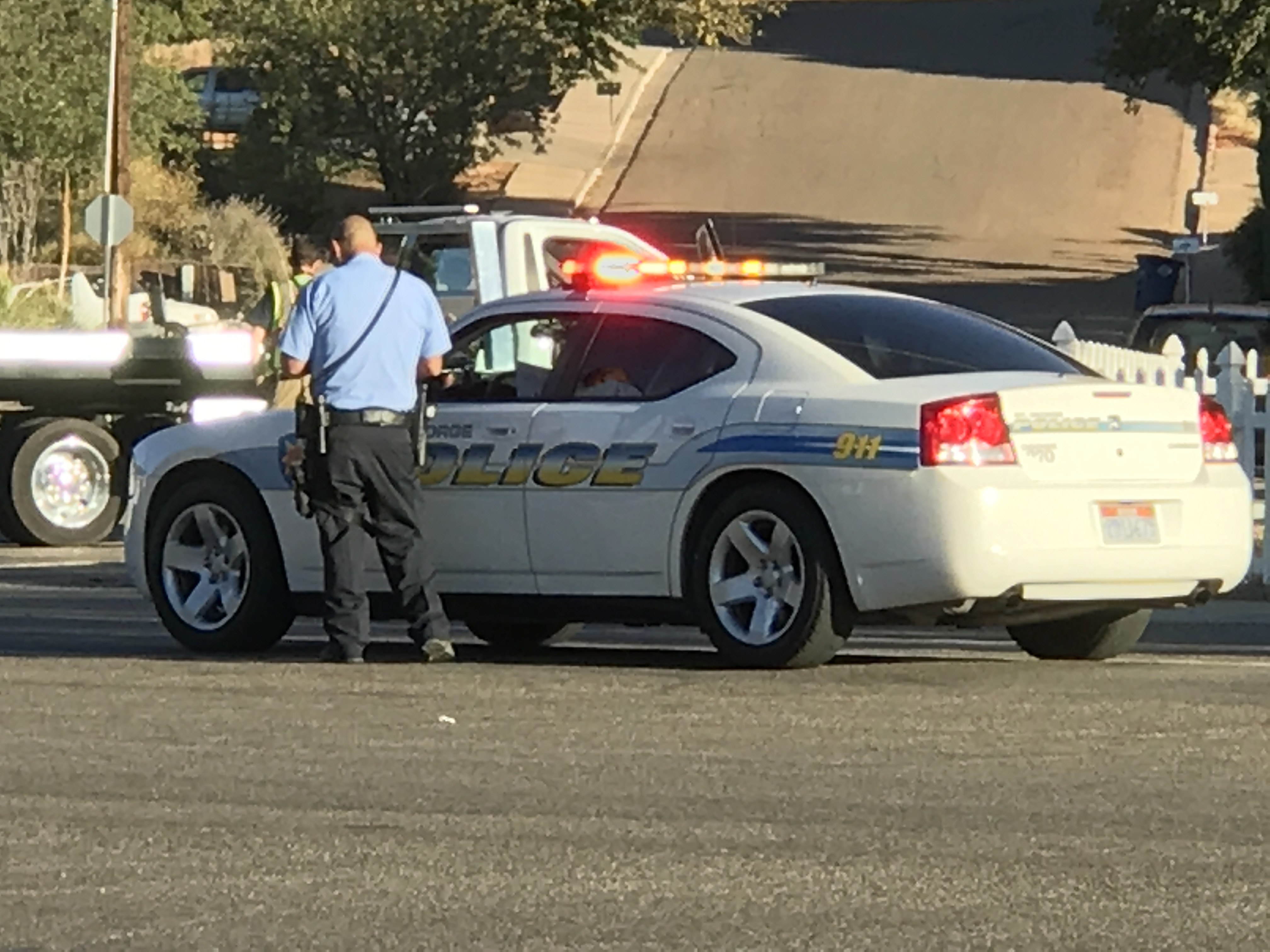
According to Utah Highway Patrol Colonel Michael Rapich, the bill will have no effect on how the agency operates.
“As an organization, we don’t set any specific number on what we are trying to achieve,” he said. “We identify areas of focus and implement strategies to address those factors that contribute to fatal crashes, DUIs and criminal activity.”
The high volume that the agency deals with makes it even more important to use resources responsibly and track whether its efforts are effective.
The numbers are used to determine if a particular strategy is effective, as well as the effectiveness of the trooper, but are “only one part of evaluating an officer, among many others.”
When troopers are not involved in an active call or incident, they are expected to be “out there focusing on problem areas, whether it’s speeding or criminal activity we have an expectation that they are out there working and using the resources effectively,” Rapich said.
“If all we are doing at the end of the year is counting how many citations or arrests an officer’s made, then we are missing a big part of the spectrum of what the responsibilities of a police officer are.”
Washington City Police Department had its own experience with public perception in 2013 when an internal document outlining a point system for the department’s police officers was characterized as a management tool that enhances the officers’ career development.
Read more: Washington City police subject to monthly point system; quota?
Washington Police Department’s comment at the time was that the policy was developed for enhanced employee career development, to measure an employee’s performance fairly and accurately, and to provide the “highest level of customer service possible to the citizens of Washington City,” department spokesman Ed Kantor said at the time.
Kantor said Friday that the department “will continue to treat each citizen with respect” and provided the following statement regarding the department’s plans with the bill passing.
“The Washington City Police Department does not perceive any changes in the manner in which our officers conduct traffic enforcement duties. Performance evaluations are completed using numerous performance factors that this bill will not affect.”
Kantor added that the Washington City Police Department “complies with all federal and state law as it relates to day-to-day law enforcement operations.”
Resources
- Read full text of bill: Utah 2018 SB 154 – Police Ticket Quota
- Contact legislators
- Bill sponsor: Sen. Howard Stephenson
- Southern Utah Sens. Evan Vickers, Don Ipson, David Hinkins and Ralph Okerlund | Listing of all senators.
- Southern Utah Reps. Bradley Last, V. Lowry Snow, Walt Brooks, John Westwood, Merrill Nelson and Michael Noel | Listing of all members of the House of Representatives.
Email: cblowers@stgnews.com
Twitter: @STGnews
Copyright St. George News, SaintGeorgeUtah.com LLC, 2018, all rights reserved.