Alternatives to Planned Parenthood available in Southern Utah if it gets defunded
ST. GEORGE — Despite targeted efforts by politicians against family planning clinics like Planned Parenthood, if it ever were defunded, there are alternatives in Southern Utah that offer similar kinds of care.
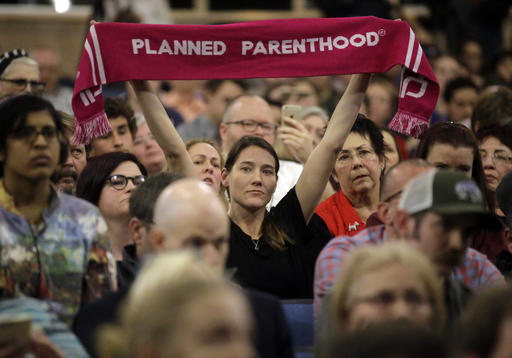
Cutting funds and access to Planned Parenthood is not a distant notion, especially under President Donald Trump’s administration, which made things a little harder for Planned Parenthood after a new proposal sent to the White House on Friday. Anti-abortion supporters have long asserted Planned Parenthood is the main organization to blame for pushing a pro-abortion agenda, but there are a lot more services Planned Parenthood offers that could be at risk if it gets defunded.
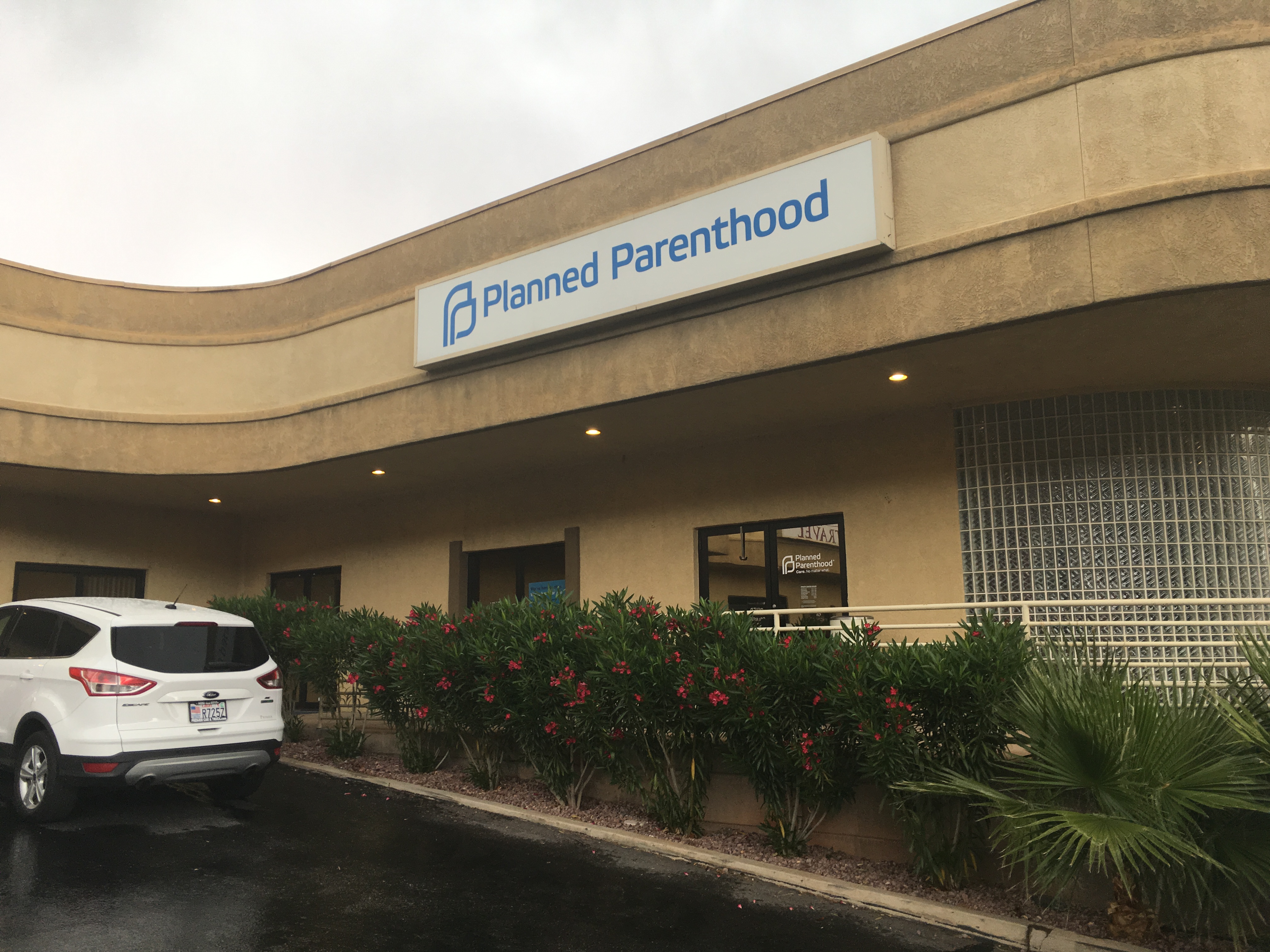
The Planned Parenthood clinic in St. George, which is located at 595 S. Bluff St., provides birth control, pregnancy testing, screenings and treatment for sexually transmitted diseases, cancer screenings for men and women, pap smears, vasectomies and HPV vaccines. The St. George clinic doesn’t offer abortion services because there is not a facility in Southern Utah that performs abortions.
Read more: Abortion in Utah legal but availability limited, especially in Southern Utah
Alternatives to Planned Parenthood
If a woman is considering abortion, the St. George Planned Parenthood clinic is still able to offer counseling on abortions even if it can’t offer referrals. People will need to visit Salt Lake City, Las Vegas or other locations for abortions to be performed.

In Southern Utah, most family medical clinics offer reproductive heath care options as an alternative source to Planned Parenthood. For instance, Family Healthcare, which has clinics in St. George and Cedar City, offers a sliding fee scale for patients to gain access to affordable reproductive health care, receptionist Briah Adams said.
There are other options, like the nonprofit Hope Pregnancy Care Center of St. George — located at 391 E. 500 South — which offers pregnancy tests, STD information and abortion information, as well as programs and presentations on sexual risk avoidance, parenting and adoption information. Additional services include providing maternity and infant supplies and fatherhood programs.
The services at the Hope Pregnancy Center are cost-free to people who come in to use them.
The center states on its website: “We offer practical, emotional and spiritual support to women and men through our various compassionate programs.”
Cyndia Johnson, a midwife who volunteers at the Doctors’ Volunteer Clinic in St. George, offers gynecology services and STD testing on Wednesdays from 10 a.m. to noon. The nonprofit clinic of volunteer doctors, which is located at 1036 E. Riverside Drive, also offers birth control options.
However, the Doctors’ Volunteer Clinic does not offer abortion counseling or prenatal care, said DeAnne Staheli, director of the clinic.
“We refer people to Planned Parenthood for those kinds of services,” she said.
Another option for birth control and reproductive health care is the Women’s Health Specialists clinic through Intermountain Healthcare, said Dave Green, a public relations manager at Intermountain Healthcare. The Women’s Health Specialists clinic in St. George is located at 346 E. 600 South. Cedar City also has the Cedar City Institute of Women’s Health, located at 110 W. 1325 North.
Pricing for reproductive health services depends on a person’s income for sliding-fee scales and the extent of the person’s health insurance coverage, but Planned Parenthood is usually less expensive than other providers because it is subsidized by donations, grants and taxpayer money, said Katrina Barker, communications and marketing coordinator for Planned Parenthood Association of Utah.
Family planning under Trump
On Friday, the U.S. Health and Human Services Department sent a plan to the Trump administration to ban taxpayer-funded family planning clinics, like Planned Parenthood, from referring women for abortions. The rules would also prevent Planned Parenthood clinics from being located in facilities where abortions are also performed. The regulatory process could take months for the new rules to be in place, and there could be legal action.

“We will not stand by while our basic health care and rights are stripped away,” said Dawn Laguens, executive vice president of Planned Parenthood.
The proposal, if implemented, will roll back the previous requirement, which was adopted under President Bill Clinton, that abortions, along with prenatal care and adoption, be discussed among options presented to a client by family planning clinics.
Planned Parenthood has received federal funding since President Richard Nixon, a Republican, signed a law that provided money for family planning services. But now, the prospect of defunding Planned Parenthood isn’t a foreign one; many Republicans have since attempted to end federal funding for Planned Parenthood.
The new Trump administration policy “would ensure that taxpayers do not indirectly fund abortions,” White House press secretary Sarah Sanders said in a news release. Anti-abortion supporters have commended the move because of the distinction it makes between taxpayer funded clinics and abortion services.
“The new regulations will draw a bright line between abortion centers and family planning programs, just as … federal law requires and the Supreme Court has upheld,” said Tony Perkins, president of the Family Research Council, a key voice for religious conservatives.
Jessica Marcella of the National Family Planning and Reproductive Health Association, which represents clinics, said requiring physical separation from abortion facilities is impractical and would disrupt services for women.
“I cannot imagine a scenario in which public health groups would allow this effort to go unchallenged,” Marcella said.
Even though the Planned Parenthood clinic in St. George has not offered abortion services, that doesn’t stop people from having misconceptions about the services provided by the nonprofit organization, Barker said.
The St. George clinic currently offers “informed consent” for abortions, which is when women are told their legal rights and alternatives for abortions. In Utah, a woman must have a face-to-face informed consent meeting and wait 72 hours before having an abortion.
“The thing that Planned Parenthood offers is that it’s more affordable than going to many other physicians’ offices if you don’t have insurance,” Barker said. “We offer a safety net for a lot of folks who would not offer health care anywhere else.”
Services provided through Planned Parenthood
For abortion services, women in Southern Utah would have to visit a Planned Parenthood clinic in Salt Lake City, Las Vegas or another health care facility outside the area, but Planned Parenthood offers a lot more services than its most controversial one, Barker said.
“A lot of people misunderstand what we do,” Barker said. “They think the majority of what we do is to provide abortions, but that’s actually a very, very small part of what we do, especially here in Utah.”
Known as Title X, the family-planning program serves about 4 million women a year through clinics, costing taxpayers about $260 million. But that money is not used for abortions because federal family planning funds cannot be used to pay for abortions. Planned Parenthood clinics qualify for Title X family planning grants, but they keep that money separate from funds that pay for abortions.
Although abortion is politically divisive, the U.S. abortion rate has dropped significantly — from about 29 per 1,000 women of reproductive age in 1980 to about 15 in 2014. In Utah, abortion rates are also at a historic low, according to a state report released last month on abortions before 2017.
The rate of 4.2 abortions performed for every 1,000 women ages 15 to 44 is the lowest since Utah began keeping records in 1975, said Richard Oborn of the Utah Health Department.
In response to the low abortion numbers in Utah, Karrie Galloway, CEO of Planned Parenthood of Utah, cited its work helping families get access to contraceptive methods such as intrauterine devices. While Utah state law does impose restrictions on abortion, including a 72-hour waiting period, she doesn’t see that as a primary contributor to the decline. Meanwhile, Pro-Life Utah president Mary Taylor pointed to a nationwide drop in adolescent sex and pregnancies, among other factors.
Planned Parenthood needs to be here, Barker said, and it needs to be funded for the people in Utah who use the services provided at the clinics.
“Without us, I don’t know where a lot of these patients would go,” Barker said. “We’re a really vital part of the health care system.”
The Associated Press contributed to this report.
Email: sricks@stgnews.com
Twitter: @STGnews | @SpencerRicks
Copyright St. George News, SaintGeorgeUtah.com LLC, 2018, all rights reserved.