FBI psychiatrist casts doubt on autism diagnosis of teen in Pine View bomb case
ST. GEORGE — A psychiatrist from Virginia with experience assessing terrorists and a notorious school shooter testified in a hearing Friday for the teen who allegedly brought a bomb to Pine View High School earlier this year.
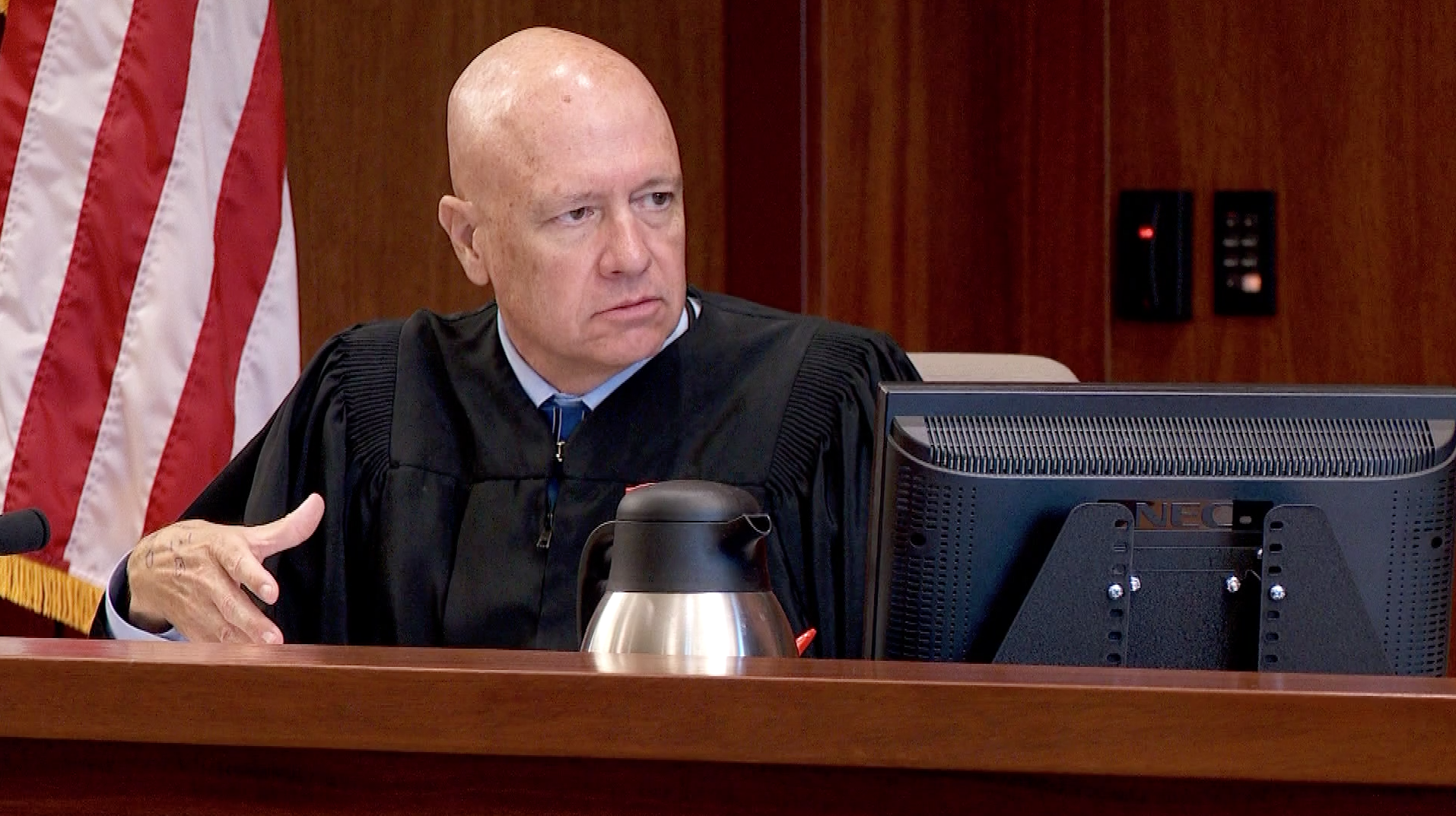
Gregory Saathoff, chief psychiatric consultant for the FBI’s Behavioral Analysis Units and Crisis Negotiation Unit, testified for over four hours at the 5th District Courthouse in St. George for the hearing, which will eventually determine if the teen will be tried as an adult.
Saatoff’s experience includes working on the case for the Sandy Hook massacre, where 20 children and six adults were shot dead in a Connecticut elementary school in 2012.
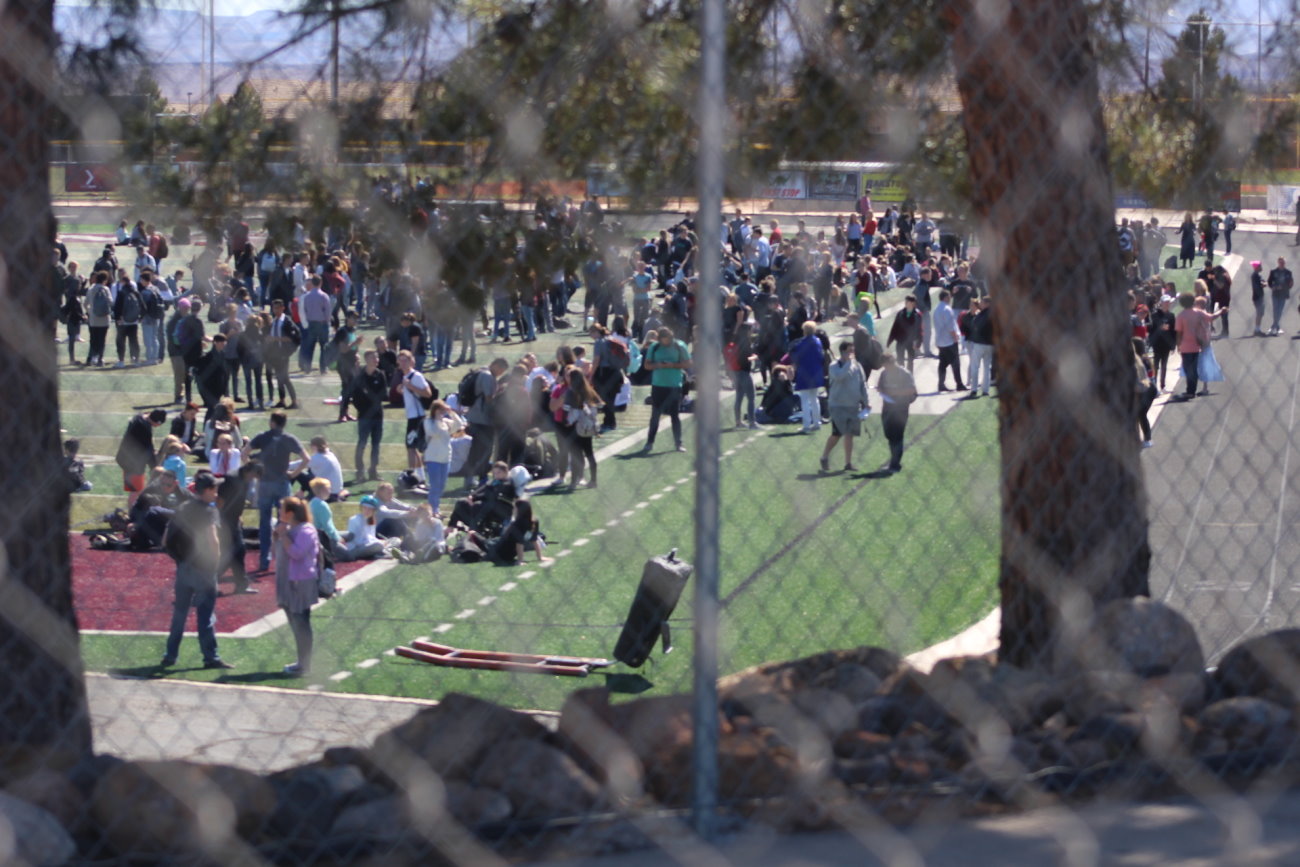
The 16-year-old teen from Hurricane in this case was charged with felonies for attempted murder and possessing a weapon of mass destruction for bringing an explosive in a backpack to Pine View High School on March 5. No one was killed or injured, but the teen demonstrated behavior that is similar to other terrorists or mass shooters, Saathoff said.
Read more: Charges filed in Pine View bomb scare; more possible in relation to ISIS flag incident
Having watched many other interviews between people who commit atrocious crimes like acts of terrorism or mass shootings, Saathoff said the teen’s interview in the Pine View case was “quite unremarkable” compared to others.
The tape of the teen in the interrogation room after being arrested at Pine View High School shows him looking around at the ceiling, talking to himself and displaying nervous quirks when investigators were out of the room.
“It was quite typical of someone in that situation,” Saathoff testified.
The teen’s defense team has used witnesses to argue that bullying and autism may have led to him bringing the bomb to the school, but Saathoff said autism does not cause people to premeditate attacks like the teen in this case did.
Read more: Defense’s witness says autism, bullying played part in bomb scare case
“The behavior that is most often demonstrated by people with autism is more in line with tantrums and reactive types of aggression. That’s not what I’ve seen in (the teen’s) case.”
Because the teen spent months researching the Islamic State and how to build a bomb, his attempted attack on Pine View High School was premeditated far in advance – something autism does not cause people to do, Saathoff said.
While the teen’s parents testified the day before about extensive bullying when the teen attended Hurricane High School, the teen brought the bomb to Pine View High School, where there were no reports of bullying. This proves the teen’s act of bringing the bomb to school was not reactive to something happening here, Saathoff said.
Read more: Pine View High School bomb suspect was ‘relentlessly’ bullied, parents say

The teen’s lack of remorse is another indication that autism did not cause him to drop the bomb off at the school. Using an example, Saathoff said a person with autism may step on one’s foot and not realize the pain they caused that person, but after that person cries out in pain, the person with autism will quickly feel remorse.
The teen’s “prowess in academics,” as demonstrated by his 3.89 grade point average in his last full year of school in ninth grade, is also in direct conflict with the defense characterizing the teen as having a challenged intellect, Saathoff said. It also was very sophisticated to be able to live a double life as the teen was planning the attack.
“He said a prayer with his family before going to the school with the extra backpack with the explosive in it. He also called his mom when the school was being evacuated and told her he didn’t know why there was an evacuation.”
The teen was also only diagnosed with autism after being arrested, which raises some questions about whether or not the diagnosis of autism is sufficient.

“Although he has been in a number of schools and by all accounts, he has been very attentive, he has caring parents and family, and was doing well academically,” Saathoff testified. “No one has raised (autism) as an issue up to this point.”
Saathoff said he’d like to see additional testing done to determine whether or not the teen is truly autistic.
After Saathoff completed his testimony, the teen’s defense attorneys Matthew and Stephen Harris objected to 5th District Juvenile Court Judge Paul E. Dame accepting Saathoff’s testimony. They argued that Saathoff’s opinion that the teen’s diagnosis of autism was inadequate could not be reliable because although Saathoff is an expert on all kinds of psychological disorders including autism, he is not an expert on juvenile autism.
Despite the objection, Dame decided to accept Saathoff’s testimony but said he is yet to determine how much weight to give it.
The hearing to determine whether or not the teen will be tried as an adult will resume July 13.
Email: sricks@stgnews.com
Twitter: @STGnews | @SpencerRicks
Copyright St. George News, SaintGeorgeUtah.com LLC, 2018, all rights reserved.