Letter to the Editor: ‘Plentiful and cheap water’ in Washington County is coming to an end
OPINION — Our “water agencies,” Utah’s Division of Water Resources and the Washington County Water Conservancy District, have the best intentions. They have done a terrific job providing reliable, safe, plentiful and cheap water. Due to our growth, our prodigious water use and the dramatic change in Colorado Plateau precipitation, “plentiful and cheap” is ending.
A legislative audit determined Utah’s water data was too inaccurate to help plot a solution. The Division of Water Resources is working to fix that, and the “2015 Municipal & Industrial Water Use Report“ is an honest and fundamental start, but its scope excludes some key issues: agricultural water use, water right security, water use targets and water management practices.
The Conservancy District repeated these claims in several recent public messages without factual references and refusing open, public analysis:
- Claim 1: “We need the Lake Powell Pipeline.” The real need is enough water to enable growth. The Lake Powell Pipeline (LPP) is a proposed solution to that need. It should not be accepted without an open assessment and discussion of the risks and affordability.”
- Claim 2: “We need a second water source.“ It would be nice, but it’s not necessary, and the risk and expense may make it unwise.”
- Claim 3: “We reduced our water use by 1 billion gallons over 5 years.” A good start, but only a 1 percent reduction – small compared to other states.
- Claim 4: “We use less than 60 percent of other Utah counties.” As they themselves have said, disparities in the types of water use and demographics make direct comparisons invalid. No analysis was provided to adjust for these disparities. We compare poorly to other urbanized Utah counties and very poorly to conscientious Southwest communities.
- Claim 5: “This is in spite of our county being the hottest and driest in the state.” Dryness is a reason to use the least water, not the most.
- Claim 6: “$60 million was spent on saving water.” Our analysis of these expenses shows they were not spent on high-impact, low-cost targets, such as building code changes, water budgeting, tiered pricing and informative billing.
The unmentioned fact: The Lake Powell Pipeline might not be built, and we aren’t ready with an alternative. The Conservancy District is selling the pipeline to taxpayers: “We’re trying hard to save water, we’re doing great, we need the LPP. Buy it.” No factual basis is offered. The 12-year, $33 million (and counting) Lake Powell Pipeline study lacks open consideration of issues and alternatives.
Conserve Southwest Utah has been researching and questioning the pipeline, advocating improved water management throughout that period, largely met with silence. The key issues are:
Water demand
Our water agencies obscure our unsustainable water use by not setting reasonable targets based on achievements elsewhere, not recognizing changes in the Colorado watershed and not implementing a comprehensive water management plan to manage our water supply and demand in the manner necessary to meet the challenge.

Statewide, roughly 80 percent of water is used in agriculture (largely water-intensive alfalfa for cattle feed, much of it exported), 10 percent on landscapes (mostly grass yards and golf courses), 5 percent inside homes and 5 percent in businesses.
Washington County uses less on agriculture and more on grass, trying to look like the Midwest instead of the desert.
The Conservancy District is sending a false message that we’re doing great and spending wisely on conservation. Our analysis shows spending is not focused on high-yield projects.
Water supply
Data on our local water supply is lacking, but our analysis indicates we have enough local water to support our growth with just modest conservation.
And an analysis of Utah’s use of its Colorado River allocation indicates we’re likely already using it all. The state’s own records of our Colorado River usage indicate usage of about twice our lawful allocation (of 1.38 million acre-feet yearly) has been approved and that allocation is unrealistic, based on the 1922 Colorado River Compact assumptions on river flows.
The Lake Powell Pipeline’s water right appears low in priority, at high risk of being preempted by older, more senior rights as demand increases and flows decrease. As our water agencies declare the pipeline’s water right “the most secure on the river,” there is no analysis supporting that, and nobody in authority has even asked for it.
Economics
The financial risk to Washington County’s economy is significant. The governor appointed an Executive Water Finance Board to evaluate the risks and alternatives. The economists’ report submitted to the board found the Conservancy District’s financial analysis to be flawed and unrealistic. They proposed an open public technical review; the district refused.
There is no analysis of “affordability.” We trust the board will force this analysis.
The alternative: Improved management of our local water
This really isn’t an alternative: It must be done, sooner or later. While our analysis indicates there is much more usable water in the county than our water agencies choose to recognize, it also indicates we can easily cut our water use without impacting our landscaping’s visual appeal, the viability of our agriculture or our population and economic growth.
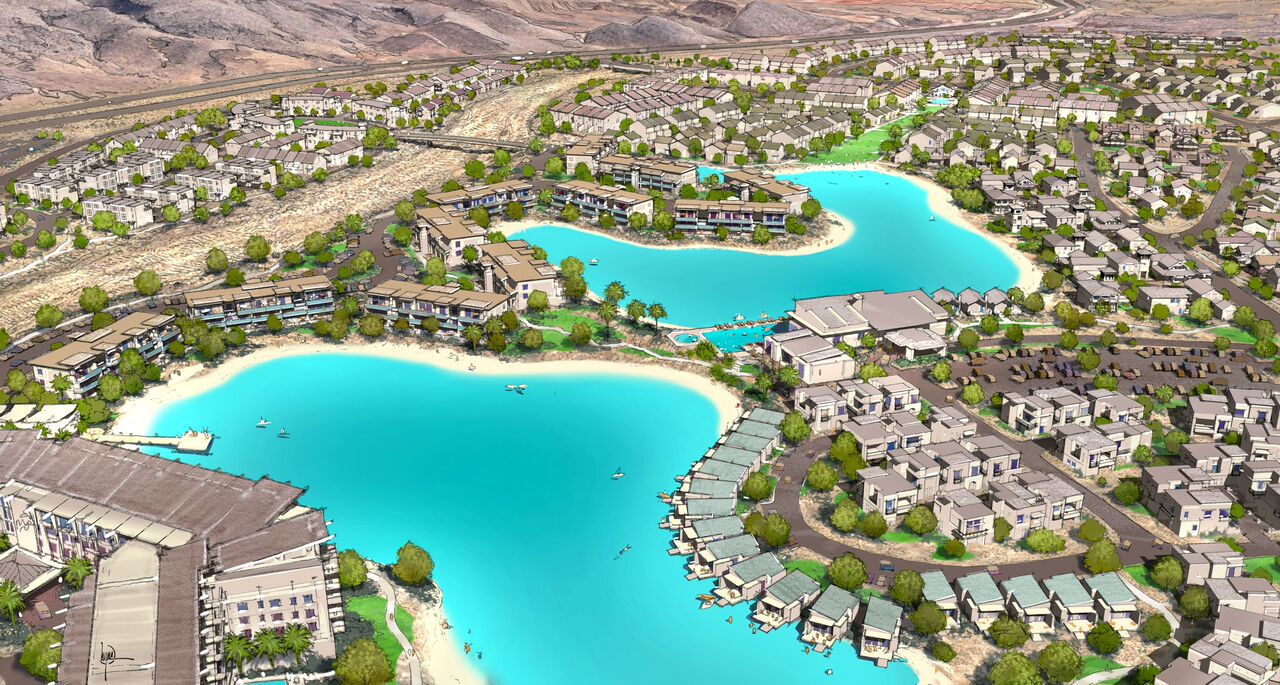
Water budgeting, a system of establishing a usage budget for each property based on its use and landscaping, combined with ordinances defining reasonable desert landscaping, have reduced water use by 50 percent in other vibrant, growing southwest communities.
A cost-benefit-driven water management plan, integrated across the “supply chain” (wholesale and retail) including both supply and demand, would be much more effective than current management/planning practices.
These efforts can be undertaken at a fraction of the cost of the Lake Powell Pipeline, incrementally, avoiding huge financing costs, with low risk. It can support our projected growth.
Our water agencies and elected representatives certainly do not support the pipeline unconditionally, yet they won’t state (or don’t know) under what conditions they support it. Our work with them to reveal and assess their conditions is going much too slow. Instead, the Lake Powell Pipeline is being pushed and marketed with blinders, while improving management of our local water is given much talk and little action. We need an open public analysis and honest dialogue.
See this letter’s references here. Send questions or comments to board@conserveswu.org.
Submitted by TOM BUTINE, board president of Conserve Southwest Utah.
Letters to the Editor are not the product of St. George News, its editors, staff or news contributors. The matters stated and opinions given are the responsibility of the person submitting them. They do not reflect the product or opinion of St. George News and are given only light edit for technical style and formatting.
Email: news@stgnews.com
Twitter: @STGnews