Nestled in Ancestor Square, historic jailhouse to transform into ‘symbol of freedom’ from human trafficking
ST. GEORGE — In a dream James Rose had, he was in the middle of assembling a small, fold-up wooden jail that was delivered to him when his 7-year-old daughter came up and asked him what he was doing. “There’s bad people out there who are hurting people, and we need to get them and put them in jail,” he replied.
This was the dream Rose, the CEO and founder of Rose Development in St. George, had the night after watching a nearly 40-minute video on Facebook of well-known philanthropist Tony Robbins interviewing Tim Ballard, CEO and founder of Operation Underground Railroad – an organization dedicated to eradicating human trafficking, specifically sex trafficking against children.
Ballard, a former special agent for the Department of Homeland Security and Salt Lake City resident, is also known for his book “Slave Stealers.”
Rose knew then that he had to do something to join the fight in ending human trafficking.

After telling his wife about the dream the next day, she told Rose the jail was a representation of a jail that was already in his possession – the historic jailhouse in Ancestor Square, which he wouldn’t let anyone rent because he wanted to save it for a good cause.
Now, he has plans to turn the jailhouse, as well as the old sheriff’s house next to it, into an information and donation center to bring awareness to human trafficking.
However, to maintain the right creative direction, Rose knew he would have to reach out to Operation Underground Railroad. Luckily, he said, that chance was right in front of him less than a month ago.
Rose and his wife were on a trip in Abu Dhabi, the capital of the United Arab Emirates, to attend a Tony Robbins conference in October.
“My wife is sitting at one of these tables,” Rose told St. George News, “and I’m doing something else in the same room but on the other side. I get this text saying ‘James, Tim Ballard just sat at our table,’ and I was like, ‘Of course he did.’”
After telling Ballard about his dream and what he was trying to accomplish, the two became friends and started working on the project together. With more than a decade of experience of rescuing children from traffickers, Ballard has been able to provide a firsthand account of what human trafficking looks like.
Since its creation in 2013, Operation Underground Railroad has rescued more than 1,500 victims and assisted in the arrests of more than 700 traffickers around the world, including in the U.S. where the team rescued 17 people in the state of Washington, according to its website.
While the majority of operations listed on the website are from other countries, human trafficking is happening every day in the U.S., including Utah. As recently as Nov. 14, the Utah Attorney General’s Office reported that it arrested James Savage Brown for felony charges, including human trafficking against two women.
And it’s not just women and children being trafficked. In Connecticut, police identified 15 victims of a sex trafficking ring that preyed on young men and teenage boys for more than 20 years, according to a Nov. 15 Associated Press report, and law enforcement believes there could be dozens more victims.

How often human trafficking happens, like in the cases of Utah and Connecticut, is an aspect both Rose and Ballard want to show in the jailhouse. The reason Rose chose the jailhouse for this project is because it’s small, dark and similar to places where human traffickers keep the people they sell.
Their vision for the jailhouse is to create a place where the public can see what human trafficking looks like, while the sheriff’s office will be a more hopeful place and contain different items like videos, T-shirts and books for people to buy.
Rose said there will also be information in the sheriff’s office on how to donate and possibly a computer, where people can take a course to learn about human trafficking and become aware of the signs.
“I hope that they can use it as a symbol of freedom,” he said, referring to the project.
Rose and Ballard invited the Southern Utah community to listen to their vision and offer input about the project on Wednesday. While standing in the small, cramped jailhouse, Ballard shared his story of why he created Operation Underground Railroad.
After being transferred to the Salt Lake City office for his job as a special agent, Ballard learned the story of a little boy named Gardy, who was kidnapped from his LDS church in Haiti and put into a trafficking situation in 2010. Ballard said he tried to make Gardy’s case a U.S. case, but because it was a Haitian crime committed by Haitians, he had no jurisdiction.
Ballard felt stuck and didn’t know what to do because he had already promised Gardy’s dad that he would do everything he could to find his son.
“I had this idea,” Ballard shared with the people huddled in the jailhouse, “because there had been so many other cases that I had worked around the world that I had intelligence on, and actionable intelligence, but simply it was outside the jurisdiction, outside the mandate of what I could legally do, of what the U.S. government could legally do.”
So he quit his job and created Operation Underground Railroad, where there are no jurisdiction limitations.
“We never found the little boy, but we did find the traffickers who took him, got them locked up and liberated 28 children from this trafficking organization that was selling children.”
Ballard and his wife adopted two of those rescued children. Ballard said he’s not done looking for Gardy.
After sharing his story, community members and people who wanted to help with the project offered their input on what the jailhouse should look and feel like, including St. George resident Amie Ellis. Her daughter Sarah Dunsey was abducted in January 2017 and found nearly a month later.
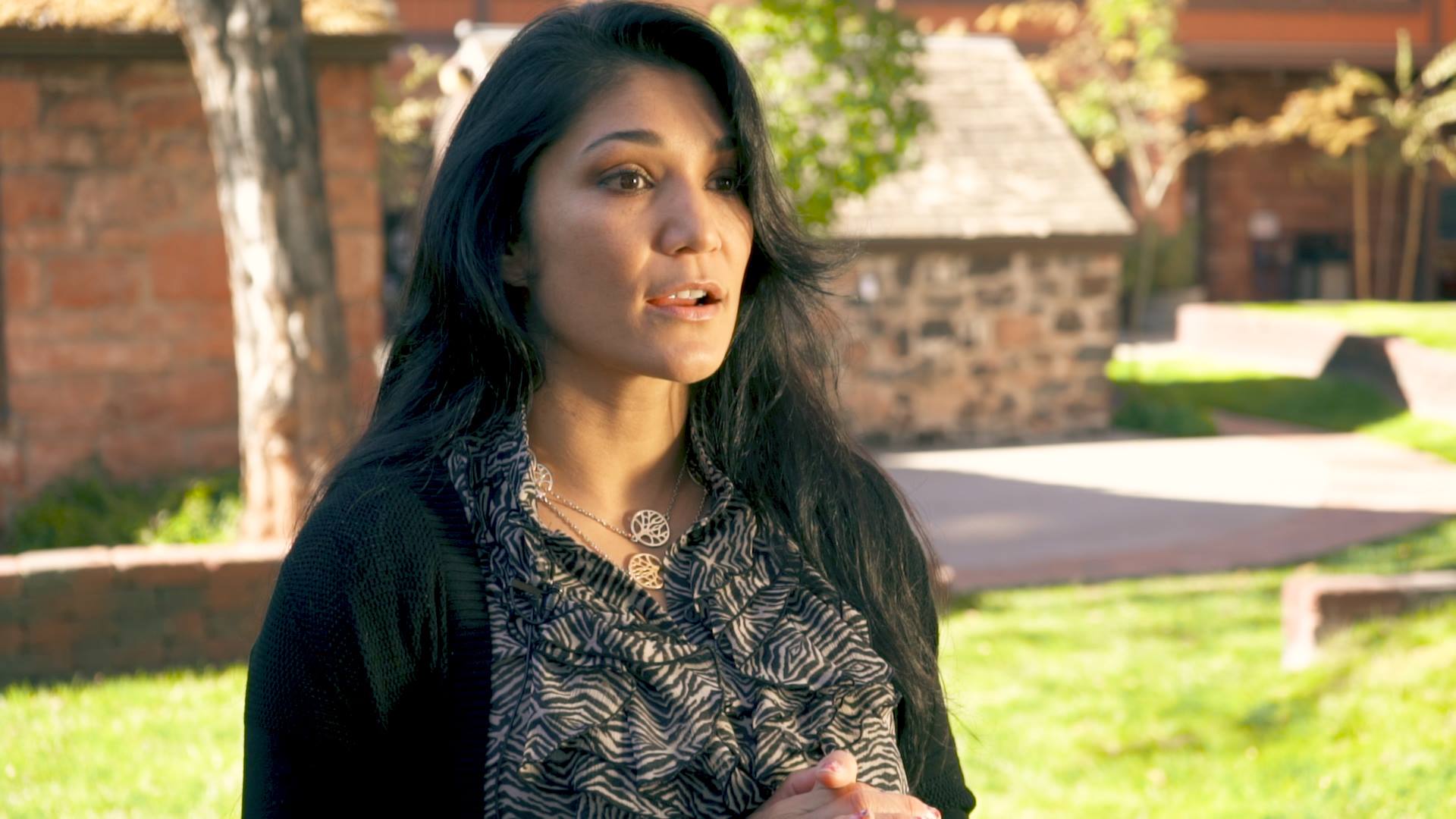
“If it’s to portray a feeling, an emotion,” Ellis said, referring to the jailhouse she was standing in,” that’s where I could be helpful because it really isn’t just a door open or like dark. It’s a dirty area with a bed that’s messed up. It’s drugs everywhere.”
She also suggested the jailhouse incorporate an aspect of human trafficking that people often don’t think about – online trafficking. According to Polaris Project data ranging from January 2015 to December 2017, 845 victims were recruited online, with the majority being on internet platforms such as Craigslist and chat rooms.
Ellis said she feels her family is one of the lucky ones because her daughter was found. Just 1 percent of victims are ever rescued.
Since there are no plans to make major changes to the jailhouse, Rose said this project should be done rather quickly. The most time-consuming aspect will be creating the programming for possible movie screens in the jailhouse and making sure the setting creates the right feeling.
He said they believe the project can be completed by Jan. 1, 2019.
For Ballard, he said the project will address one of the largest problems surrounding human trafficking – people don’t know.
“They might have heard of it, but they don’t want to address it because why would you want to? I know how that feels. You don’t want to see it and you don’t want to know it.”
The project is the first of its kind, he said, and they hope to replicate it, adding that it’s the true stories about human trafficking that “move hearts, that move people, that create masses.”
To learn more about the partnership between Operation Underground Railroad and Rose Development, click here.
Email: mheckenliable@stgnews.com
Twitter: @STGnews | @markeekaenews
Copyright St. George News, SaintGeorgeUtah.com LLC, 2018, all rights reserved.